
What Is Za’atar? The Ancient Mediterranean Spice Blend You Need to Know
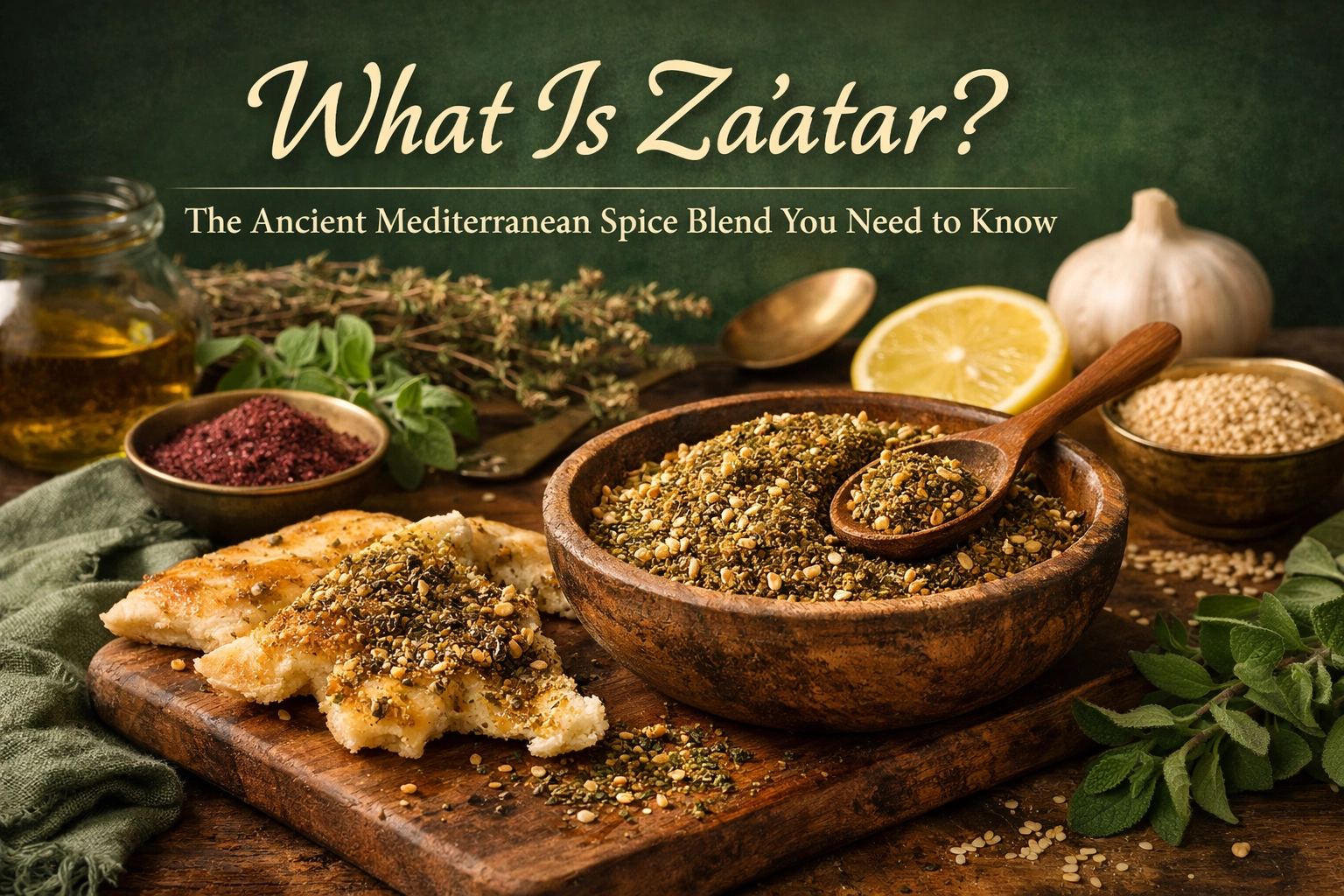
If you’ve ever eaten at a Mediterranean restaurant and wondered what that earthy, herby, slightly tangy flavor was : it was probably za’atar. It’s that “wait, what is that?” moment that keeps you coming back for another bite. It’s not just a seasoning; it’s a whole mood that’s been part of history for centuries. At Gyro Republic, we’re obsessed with flavors that tell a story. And let me tell you, the story of za’atar is as rich as the spice itself. Ready to go behind the scenes of the most famous blend in the Levant?
What Is Za’atar Made Of?
The beauty of za’atar lies in its simplicity, but don’t let that fool you. Getting the balance right is an art form. While every grandma from Beirut to Amman has her own “secret” ratio, most authentic blends lean on a few heavy hitters.
The base is usually a mix of dried herbs like thyme, oregano, and marjoram. Specifically, traditionalists look for Origanum syriacum, sometimes called Bible hyssop. This gives the blend its deep green color and that signature “wild” herbaceous scent that reminds you of a sun-drenched hillside.
Then comes the sumac. If you’ve ever tasted a bright, citrusy punch in your food but didn’t see a lemon in sight, that was the sumac. These ground red berries provide the tang that cuts through the richness of olive oil or grilled meats.
Next, we have toasted sesame seeds. These add a crucial nutty crunch and a bit of essential oil that helps the blend stick to whatever you’re eating. A little pinch of salt rounds everything out, pulling all those earthy and acidic notes together into one cohesive powerhouse.
It is important to note that recipes vary wildly by region. Lebanese za’atar is often heavy on the sumac, giving it a darker, redder hue and a sharper bite. Palestinian versions might lean into more herbs or even include caraway seeds for a hint of anise-like sweetness.
Syrian blends often incorporate different types of nuts or even dried pomegranate seeds. This regional diversity is exactly why Google: and your taste buds: reward the depth of this spice. It’s not a monolith; it’s a map of the Mediterranean in a bowl.
Where Does Za’atar Come From?
Za’atar isn’t just a trend; it’s ancient history you can taste. Its roots go deep into the Levantine region, spanning across modern-day Lebanon, Syria, Palestine, Jordan, and Israel. We are talking about a spice blend that has been mentioned in texts for thousands of years.
Archaeologists have even found traces of za’atar-like herbs in ancient Egyptian tombs. It wasn’t just used for cooking back then, either. In classical antiquity, it was prized for its medicinal properties, often used to help with digestion or to clear the mind.
There is a beautiful fact that most people don’t know: the wild za’atar plant is actually protected in some regions. Because it is so central to the culture and the cuisine, over-harvesting became a serious issue in the wild. Governments eventually had to step in to ensure these aromatic plants didn’t disappear from the hillsides forever.

This cultural connection makes it more than just “spice.” For many, the smell of za’atar is the smell of home. It’s the scent of a kitchen on a Saturday morning or the street food stalls in a bustling Mediterranean market.
At Gyro Republic, we respect that history. When we look at our menu, we see more than just food; we see a bridge between Portland’s food scene and the ancient traditions of the Levant. We love bringing that heritage to our corner of the Pacific Northwest.
How Is Za’atar Used in Mediterranean Food?
If you think za’atar is just for one specific dish, get ready to have your mind blown. This blend is the MVP of the Mediterranean kitchen because it goes on literally everything.
The most classic way to eat it? The “Dip and Dunk.” You take a piece of fresh pita, dip it into a bowl of high-quality olive oil, and then dunk it straight into a bowl of za’atar. It’s simple, it’s vegan, and it’s addictive.
But it doesn’t stop there. In the Middle East, a popular breakfast involves sprinkling za’atar over a bowl of labneh: a thick, strained yogurt cheese. The tang of the yogurt and the earthiness of the spice are a match made in heaven.
You’ll also find it used as a dry rub for roasted meats. Whether it’s a lamb gyro or some chicken shawarma, adding a crust of za’atar creates a savory, herbal bark that is incredible after hitting the grill.
If you’re feeling adventurous at home, try sprinkling it over your morning eggs. Or toss it with some popcorn for a savory snack that beats butter any day of the week. Many people even mix it into their hummus for an extra layer of complexity.
In Portland, we’re seeing more people use it on roasted vegetables. Cauliflower, carrots, and potatoes all take to the spice blend beautifully. It’s the perfect way to add “big flavor” without adding a ton of calories or heavy sauces.
Za’atar at Gyro Republic
We live for these flavors. At Gyro Republic, we believe that the best food comes from respecting the ingredients and knowing when to let them shine. We’ve spent a lot of time perfecting how we use Mediterranean staples to give you the best experience in Portland.
Lately, we’ve been spending a lot of time in the kitchen experimenting with za’atar in a way we haven’t done before. We’ve been testing, tasting, and tweaking to find the perfect balance of that ancient herb blend and our modern Portland vibe.
We can’t share everything just yet: we like a good surprise: but let’s just say we’ve found a way to make za’atar the star of the show. If you’re a fan of that salty, tangy, herby crunch, you’re going to want to keep your eyes peeled.
Want to be the first to know what we’re up to? If you follow us on Instagram @gyro_republic, you’ll catch the first glimpses of what’s cooking. We’re dropping hints, and you won’t want to miss the big reveal.
We are all about community and bold flavors. Whether you’re coming by for a falafel wrap or just to chat about the best spices in the city, we’re here for it. Stay tuned, Portland. Something savory is on the horizon.
Curious what we’re doing with za’atar? Follow @gyro_republic on Instagram or join our VIP list at gyrorepublic.org/vip to be the first to know.